
Give Us A Call505-373-2716

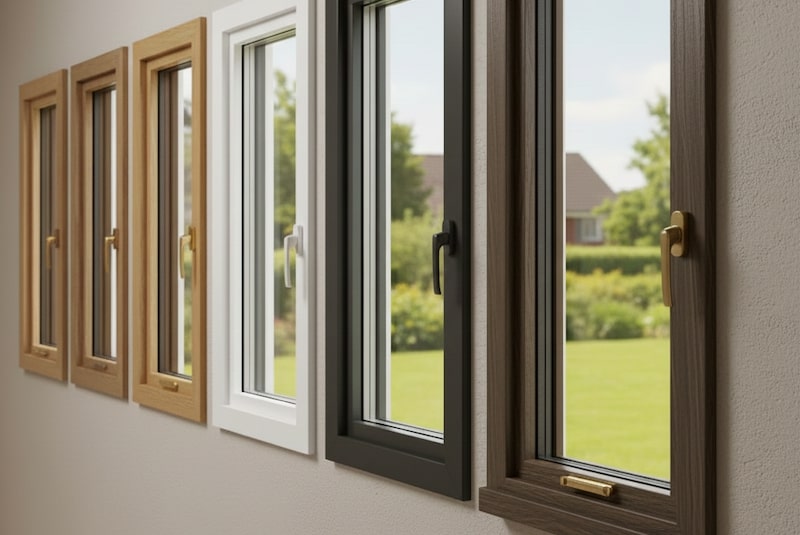
The Pros and Cons of Different Window Frame Materials
If you’re looking for replacement windows in Las Cruces, NM, you may be wondering which window company offers the best options and, more importantly, how to determine which options are right for your home.
The frame material you select will affect the aesthetics, energy efficiency, maintenance, and overall performance of your windows. Each material comes with its own set of advantages and drawbacks, so you will want to understand the pros and cons before making a decision.
In this blog, we’ll explore the pros and cons of different window frame materials available to help you determine the right ones for your windows. Let’s dive in.
Wood Frames
For years, homeowners have favored wood frames for their natural beauty and excellent insulation properties. If you’re looking for a window material that provides a classic, high-end look, wood frames are a great choice. The rich, warm tones of wood can complement almost any architectural style, from traditional to modern.
Pros:
- Aesthetic Appeal: Wood offers a timeless, elegant look that can be stained or painted to match your home’s décor.
- Insulation: Wood naturally has insulating properties, helping to maintain a comfortable temperature inside your home by reducing heat transfer.
- Customizable: Wood can be easily customized in terms of color and design, allowing you to create the perfect window to suit your needs.
Cons:
- Maintenance: One of the most significant drawbacks of wood frames is the maintenance required. Wood can warp, rot, or swell due to moisture, and it may need refinishing every few years to maintain its appearance and integrity.
- Cost: Wood frames are generally more expensive than vinyl or aluminum, making them a higher upfront investment.
Vinyl Frames
Vinyl frames are one of the most popular choices for homeowners seeking an affordable and low-maintenance option. Made from PVC (polyvinyl chloride), these frames are resistant to weathering, peeling, and cracking, making them a durable choice for many homes.
Pros:
- Low Maintenance: Vinyl frames are virtually maintenance-free. They don’t require painting or staining, and they are resistant to rot and corrosion.
- Energy Efficiency: Vinyl frames are well-insulated, making them an excellent option for maintaining your home’s energy efficiency. They help prevent heat loss in the winter and reduce cooling costs in the summer.
- Affordable: Vinyl frames are typically less expensive than wood or fiberglass, making them an attractive option for homeowners on a budget.
Cons:
- Limited Color Options: Vinyl frames come in fewer color choices than wood or composite frames. While they can be customized to some extent, your options may be more limited.
- Susceptible to Fading: Over time, vinyl frames are prone to fading or discoloration, particularly when exposed to prolonged periods of direct sunlight.
Aluminum Frames
Aluminum frames are renowned for their sleek, modern appearance and exceptional strength. They are often used in commercial buildings but are also a popular choice for residential homes with a contemporary design. Aluminum frames are durable and lightweight, offering a minimalist appearance without compromising structural integrity.
Pros:
- Strength: Aluminum frames are incredibly strong, providing a sturdy structure that can support large panes of glass.
- Sleek Design: If you’re going for a modern, industrial look, aluminum frames offer a clean and sleek appearance that complements contemporary home styles.
- Low Maintenance: Aluminum frames require little maintenance, as they don’t rust or warp like wood.
Cons:
- Energy Efficiency: Aluminum frames are less energy-efficient than those made of vinyl or fiberglass. They conduct heat and cold, which can lead to condensation and energy loss.
- Condensation: Due to their conductivity, aluminum frames can accumulate condensation, which may lead to moisture-related issues, such as mold or mildew.
- Price: While aluminum frames are often more affordable than wood, they are generally more expensive than vinyl.
Fiberglass Frames
Fiberglass frames combine the best of both worlds: strength and energy efficiency. Made from a reinforced composite material, fiberglass frames are highly durable and provide excellent insulation properties. Manufacturers designed these frames to withstand the elements without warping, cracking, or swelling.
Pros:
- Durability: Fiberglass is one of the strongest materials available for window frames. It is resistant to damage from extreme weather conditions, including heat, cold, and humidity.
- Energy Efficiency: Fiberglass frames offer superior insulation, making them an excellent choice for reducing energy costs. They are less likely to transfer heat or cold compared to aluminum.
- Low Maintenance: Like vinyl, fiberglass frames require minimal maintenance and won’t rot, warp, or corrode.
Cons:
- Higher Initial Cost: While fiberglass is highly durable and energy-efficient, it tends to be more expensive than vinyl or aluminum frames, making it a higher initial investment.
- Limited Color Options: Fiberglass frames typically come in fewer colors and finishes compared to wood, although custom finishes are available at an added cost.
Composite Frames
Composite frames are made from a combination of materials, such as wood fibers and PVC, offering a balanced mix of durability, energy efficiency, and aesthetic appeal. These frames provide the best of both worlds, offering the warmth of wood with the strength of vinyl.
Pros:
- Durability: Composite frames are highly resistant to moisture, rot, and insect damage, making them perfect for climates with harsh weather conditions.
- Energy Efficiency: Like fiberglass, composite frames offer excellent insulation, which helps reduce your home’s energy consumption.
- Design Flexibility: Composite frames offer a wider range of color options than vinyl and are available in various finishes, allowing for greater customization.
Cons:
- Cost: Composite frames tend to fall in the mid-range in terms of price, more expensive than vinyl but less so than fiberglass or wood.
- Limited Availability: Composite frames may not be as readily available as other materials, so finding the right supplier may take some time.
Choosing the Right Window Frame for Your Home
When selecting the ideal window frame for your home, consider factors such as climate, budget, home style, and personal maintenance preferences. Here’s a quick breakdown of which frame materials might suit your needs:
- Wood Frames: Ideal for homeowners seeking a traditional appearance and high insulation.
- Vinyl Frames: A great fit for budget-conscious homeowners seeking low maintenance and energy efficiency.
- Aluminum Frames: Perfect for modern homes that require strength and sleek design, but not ideal for energy efficiency.
- Fiberglass Frames: An excellent choice for those prioritizing durability and energy savings, with a higher upfront cost.
- Composite Frames: Ideal for homeowners seeking a durable, low-maintenance option that provides design flexibility.
Window Frames Make a Difference
Window frame materials play a crucial role in the overall performance and appearance of your windows. Whether you choose the timeless elegance of wood, the energy efficiency of vinyl, the modern strength of aluminum, the durability of fiberglass, or the flexibility of composite frames, each material offers distinct advantages.
Whether you’re looking to upgrade your large picture window in Roswell or a sliding window in Santa Fe, the right frame can make a bold statement.
Let's Get Started
Upgrade Your Space Now
Quality renovations tailored to your style.
Trusted local experts ready to help.
Schedule a Free Consultation
Popular Posts

Feb. 26, 2026
The 7 Stages of a Shower Remodel
Dan
Feb. 17, 2026
7 Reasons Composite Frames Are Taking Over Hopper Window Design
Dan

Feb. 12, 2026
Which Type of Stucco is Best for New Mexico Homes?
Dan

Feb. 03, 2026
Don’t Let a Poor Door Installation Void Your Door Warranty
Dan
Jan. 29, 2026
The Difference between Freestanding and Attached Patio Covers
Dan