
Give Us A Call505-373-2716

7 Reasons Composite Frames Are Taking Over Hopper Window Design
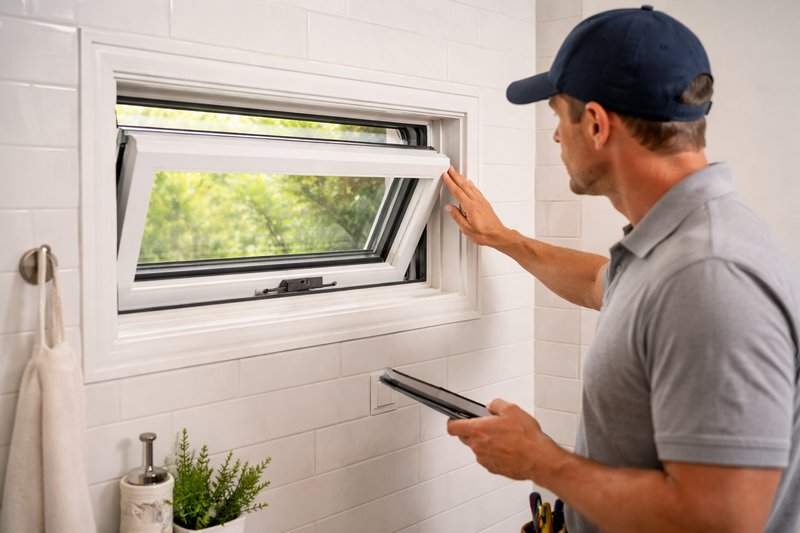
If you’re looking for a window replacement in Albuquerque, particularly for a small space, a hopper window is definitely worth considering. A hopper is a small window that hinges at the bottom, allowing the top part of the window to open inward.
Hopper windows may be compact, but their performance influences comfort, ventilation, and energy efficiency in some of the most moisture-prone areas of your home. You often rely on them in basements, bathrooms, and laundry rooms where humidity levels rise, and traditional window materials struggle to hold up over time.
If you live in New Mexico and are searching for a hopper window replacement in Albuquerque, you may have noticed that window manufacturers keep highlighting the use of composite frames in their hopper designs.
A composite frame is a window frame made from two or more different materials. Their stability, insulating properties, and resistance to environmental stress make them an ideal upgrade for those seeking long-lasting performance with minimal maintenance. Composite frames avoid the typical warping, swelling, and cracking that occur in areas with fluctuating temperatures or humidity.
Why Your Hopper Should Have Composite Frames
When you choose composite frames, you set up your hopper windows to handle everyday use without the frustrations that older frame materials often create. Let’s take a closer look.
1. Strength and Stability in Challenging Places
Composite frames stand out because they maintain their shape and structural integrity in conditions that cause wood and vinyl to deteriorate. Hopper windows open inward, so they rely on a tight seal and secure hardware to prevent drafts from entering. Any distortion in the frame compromises ventilation, security, and energy efficiency. Composite materials provide the stability needed to keep the sash aligned, the hinges functioning smoothly, and the seal pressed firmly into place.
2. Resistant to Warping and Damage
Composite materials, such as Andersen’s Fibrex, blend wood fibers with thermoplastic polymers. Andersen’s Fibrex creates a strong, rigid frame that doesn’t expand or contract dramatically with temperature swings. If you’ve dealt with a basement window that became difficult to open in the summer or a bathroom window that swelled after repeated steam exposure, composite frames address these issues with reliable dimensional stability.
3. Built for Daily Wear and Moisture Exposure
Basements and bathrooms expose hopper windows to higher moisture levels than most other areas of your home. Composite frames resist rot, mold, and moisture infiltration, providing long-term durability without the ongoing maintenance that wood requires. You also gain peace of mind knowing your frame won’t soften or deteriorate if humidity levels rise frequently.
4. Energy Efficiency That Makes a Noticeable Difference
Energy efficiency is one of the primary reasons homeowners replace older hopper windows, especially in basements, where air leaks can lead to temperature imbalances. Composite frames provide excellent thermal performance, helping you reduce heat transfer and maintain a steady indoor environment.
The tight insulating properties of composite materials pair well with modern hopper window designs, which often feature insulated double- or triple-pane glass. Together, the frame and glass create a barrier that keeps drafts out and reduces energy loss. You may notice fewer temperature fluctuations in rooms that typically feel stuffy in summer or cold in winter. This benefit becomes even more valuable when the hopper window is in a basement living area or bathroom that you use frequently.
Composite frames also help maintain the integrity of insulated glass units. Because the material flexes less than vinyl, it places less stress on the seals around the glass panes, helping extend their lifespan.
5. Low Maintenance for Busy Households
One of the biggest frustrations with wood-framed hopper windows is the amount of upkeep they require. Wood-framed hopper windows often require sanding, repainting, sealing, and patching to become part of a yearly routine. Vinyl offers a lower-maintenance alternative, but it may discolor, warp, or become brittle over time. Composite frames provide the freedom to install a window and enjoy it without worrying about ongoing maintenance.
A simple cleaning routine keeps composite frames looking sharp. You don’t have to repaint them or apply special sealants, and the color is often infused throughout the material to maintain its long-term appearance. If your home includes multiple hopper windows in moisture-heavy areas, the reduced maintenance saves you time and prevents future repair costs.
6. Design Flexibility That Fits Modern Remodeling Needs
Composite frames open up more possibilities when you’re choosing the look and functionality of your hopper windows. Their visual versatility allows them to complement everything from contemporary interiors to traditional spaces without drawing unnecessary attention in small rooms.
Hopper windows serve a functional purpose, but their design should still blend naturally with surrounding décor. Composite frames provide a sleek, consistent appearance that works well in basements, bathrooms, and utility areas. You can select from a variety of finishes that match trim, cabinetry, or tile patterns, making the window feel intentional rather than purely utilitarian.
7. Consistent Performance Across All Seasons
Composite materials maintain their performance across a range of changing temperatures and humidity levels. When you choose them for hopper windows throughout your home, you create a consistent standard of quality that supports long-term comfort and reliability.
Why Composite Frames Are Becoming the Industry Standard
Homeowners are increasingly opting for composite frames for hopper windows because they provide a powerful combination of strength, insulation, and convenience. You gain durability that outperforms wood and vinyl, insulation that improves your comfort and efficiency, and low-maintenance benefits that save time and money. Composite materials can withstand the exact conditions where hopper windows are typically used, giving you confidence in your upgrade.
Composite Frames Are the Right Choice
When you’re choosing materials for hopper windows, composite frames provide a dependable solution that meets the demands of basements, bathrooms, and small utility spaces. You gain stability, insulation, and resilience that withstand moisture and daily use. As the industry continues moving toward higher-performance materials, composite frames stand out as one of the smartest investments you can make for your home.
Let's Get Started
Upgrade Your Space Now
Quality renovations tailored to your style.
Trusted local experts ready to help.
Schedule a Free Consultation
Popular Posts
Feb. 26, 2026
The 7 Stages of a Shower Remodel
Dan
Feb. 17, 2026
7 Reasons Composite Frames Are Taking Over Hopper Window Design
Dan
Feb. 12, 2026
Which Type of Stucco is Best for New Mexico Homes?
Dan
Feb. 03, 2026
Don’t Let a Poor Door Installation Void Your Door Warranty
Dan
Jan. 29, 2026
The Difference between Freestanding and Attached Patio Covers
Dan