
Give Us A Call505-588-4865

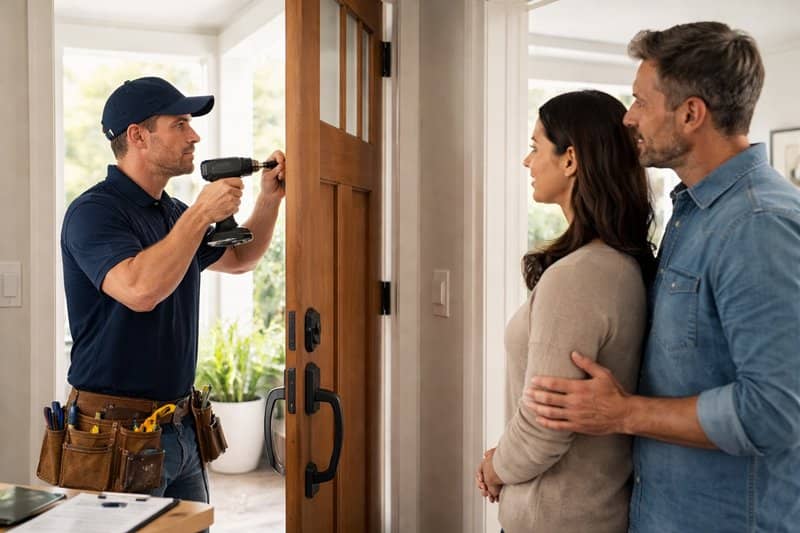
Don’t Let a Poor Door Installation Void Your Door Warranty
Have you been noticing problems with one of your new doors lately? Perhaps you’ve felt a cold draft coming from your entryway, even though your front door was recently replaced. Or, you have found it challenging to open your newly installed bathroom door. You might wonder if these new doors you spent all that money on were actually a dud.
The problem may not be with the new door itself, but rather with how the door technician installed it. When you invest in a new door, you expect it to perform well and last for years. High-quality brands design their doors to resist weather, improve efficiency, and enhance security. However, even the best door can only perform as intended when it is installed correctly by the contractor.
What many homeowners don’t realize is that poor installation can void the manufacturer’s warranty, leaving you responsible for repairs or replacements.
That’s why, if you live in the Albuquerque area and find yourself googling “entry door replacement in Albuquerque,” make sure you work with a door installer who is actually certified by the door’s manufacturer.
Understanding how warranties work, how installation affects performance, and what you can do to protect your investment will help you choose the correct installer and avoid costly mistakes. Your warranty is a significant part of the value you receive with a new door, so knowing how to maintain it is essential.
Why Door Warranties Depend on Proper Installation
A door warranty covers defects in materials or manufacturing, but not damage caused during or after installation. That’s why manufacturers train their door installers on how to install doors properly. The manufacturer trains these door installers on everything from the placement of screws to how the frame should be leveled and sealed.
Let’s say you want a new hinged door installed in your home, so you find a contractor who does hinged door installation. Unfortunately, you didn’t do your research thoroughly enough and find a door installer whom the manufacturer has not trained. They might skip a step or perform a step incorrectly, and the door may not last as long as the manufacturer promised.
Because the failure isn’t the manufacturer’s fault, the warranty is no longer valid. The responsibility then shifts entirely to you if something goes wrong. If the installation is flawed, performance is compromised, and the manufacturer voids warranty protections.
Common Installation Mistakes That Void Warranties
There are several installation errors that manufacturers flag as immediate warranty risks. Even small mistakes can lead to bigger issues down the road, especially in climates where temperatures shift dramatically or where homes settle over time. Let’s take a look at a few of them.
Incorrect Alignment and Framing
When a door isn’t perfectly square within its frame, the entire structure becomes stressed. A door that isn’t perfectly square can cause the door to stick, sag, scrape the threshold, or leave gaps around the edges. You may start noticing drafts, rattling, or uneven closing.
Signs of misalignment often include:
- A latch that won’t fully engage.
- Gaps that allow daylight through the frame.
- A door that swings open or closed on its own.
Door warranties don’t cover these issues because they point directly to an installation error rather than a product defect.
Poor Sealing and Weatherproofing
A correctly installed door needs proper sealing at all edges, especially exterior doors. When installers skip steps like applying the correct weatherstripping or using the required sealant types, your home becomes vulnerable to water intrusion, air leaks, and possibly even pests.
In places with intense sun exposure or seasonal winds, such as the Southwest, poor sealing can quickly lead to:
- Warping of the door panel
- Mold or moisture issues
- Higher energy bills
Once moisture damage occurs due to improper sealing, the manufacturer will typically deny the warranty coverage.
Improper Hardware Installation
Every brand specifies the hardware type, hinge placement, screw lengths, and even torque requirements. When installers use the wrong hardware or over-tighten screws, they can compromise the door’s structure or weather-resistance.
Over time, incorrect hardware can cause:
- Loose hinges
- Frame distortion
- Difficulty opening or locking the door
Manufacturers consider this improper handling, voiding the warranty.
How Incorrect Installation Impacts Door Performance
When the installer doesn’t install it according to the manufacturer’s standards, the problems extend beyond warranty issues. You’ll also encounter day-to-day inconveniences and long-term issues that impact your comfort, safety, and well-being at home.
Reduced Energy Efficiency
A door that’s poorly aligned or sealed won’t insulate your home as intended. Gaps around the frame allow outside air to enter, allowing heat or cool air to escape. Gaps around the frame force your HVAC system to work harder, resulting in increased energy costs and decreased indoor comfort.
Water and Air Leaks
A door that leaks during rain or allows drafts during windy conditions often indicates missing or improperly applied sealing materials. Water intrusion can cause damage to the flooring, drywall, or substructure around the door, transforming a simple installation mistake into a lengthy and costly repair project.
Shortened Lifespan
Even the most durable door materials, such as fiberglass, steel, and composite, will deteriorate faster when subjected to improper installation. Warping, bending, and swelling become more likely, which reduces the overall lifespan of the door and affects its operation.
Why Certified Installers Protect Your Warranty
Manufacturers impose strict requirements for a reason. If certified installers receive training directly from the manufacturer, it ensures they understand the precise technical standards required for installation.
Choosing certified installers gives you several key advantages. They follow manufacturer specifications exactly, which protects your warranty. A certified installer understands product-specific techniques, such as leveling, anchoring, and weatherproofing for that brand. They even document their work, which becomes part of your warranty record.
How You Can Protect Your Door Warranty
There are several practical steps you can take to ensure your new door remains protected under warranty from the day it is installed.
Choose a Certified Contractor
Always verify that your installer is certified to install the brand of door you purchased. The manufacturer trains a certified contractor and is aware of the manufacturer’s installation protocols.
Request Documentation
Keep paperwork related to the installation, including:
- Manufacturer instructions
- Installation notes
- Proof of certified labor
- Photos if possible
Documentation proves that the installation followed the required steps, which is invaluable if you ever need to submit a warranty claim.
Perform Regular Maintenance
Even with perfect installation, doors need simple maintenance. Lubricating hinges, tightening hardware, and checking seals help maintain performance and demonstrate responsible ownership if a warranty issue ever arises.
Go With a Certified Installer
Your door’s warranty is one of the most valuable protections you have as a homeowner, and proper installation is the key to preserving it. When installation errors occur, the damage can be costly and frustrating, and warranties don’t offer coverage for those issues.
By choosing certified installers, following manufacturer specifications, and documenting the installation process, you ensure that your door performs as expected and remains fully protected.
Let's Get Started
Upgrade Your Space Now
Quality renovations tailored to your style.
Trusted local experts ready to help.
Schedule a Free Consultation
Popular Posts
Feb. 26, 2026
The 7 Stages of a Shower Remodel
Richard Jimenez
Feb. 17, 2026
7 Reasons Composite Frames Are Taking Over Hopper Window Design
Richard Jimenez

Feb. 12, 2026
Which Type of Stucco is Best for New Mexico Homes?
Richard Jimenez
Feb. 03, 2026
Don’t Let a Poor Door Installation Void Your Door Warranty
Richard Jimenez

Jan. 29, 2026
The Difference between Freestanding and Attached Patio Covers
Richard Jimenez